

First Aid Training for Your Industry in the UK
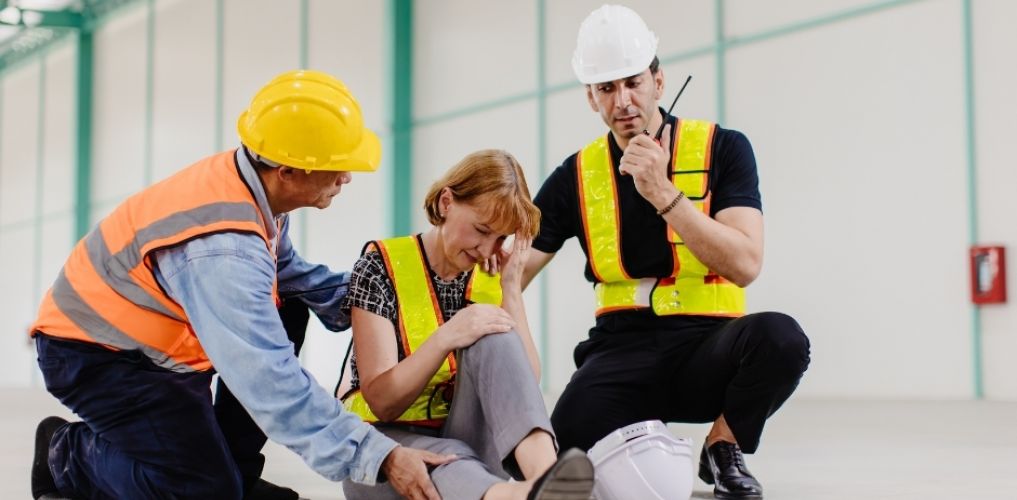
First aid training isn’t one-size-fits-all. The right course depends on your industry, workplace risks, and legal responsibilities under UK health and safety law.
From construction sites to offices, schools to hospitality, every sector must assess its risks and provide appropriate first aid provision.
At Safe Haven Training, we deliver industry specific first aid training across the UK, ensuring your team is confident, compliant, and prepared.
Find the right course for your industry
Why First Aid Training Must Match Your Industry
Under the Health and Safety (First Aid) Regulations 1981, employers must provide adequate and appropriate first aid arrangements based on a first aid needs assessment.
This means considering:
- Type of work carried out
- Workplace hazards
- Number of employees
- History of accidents
- Public access to premises
A low risk office has different needs to a construction site. A nursery faces different risks than a warehouse.
That’s why industry specific training matters.
First Aid Training for Construction & High Risk Environments
Industries such as:
- Construction
- Manufacturing
- Warehousing
- Engineering
- Logistics
Often require the 3 Day First Aid at Work course.
Why?
Because these environments involve:
- Machinery
- Working at height
- Manual handling risks
- Heavy equipment
- Hazardous materials
Training typically covers:
- Severe bleeding control
- Fractures and crush injuries
- Burns
- Shock management
- CPR & AED use
- Major trauma response
In higher risk industries, the more in depth First Aid at Work qualification is usually appropriate.
First Aid Training for Offices & Low Risk Workplaces
Offices, retail stores, call centres, and administrative settings may require the:
This covers:
- CPR and AED use
- Choking
- Minor injuries
- Fainting
- Seizures
- Basic life support
Even in low risk settings, medical emergencies like cardiac arrest can happen without warning.
First Aid Training for Schools & Education
Schools, colleges, and universities must consider:
- Pupils and students
- Staff Visitors
Training often includes:
Schools also need first aid provision for:
- Sports activities
- School trips
- Playground injuries
- Asthma and allergic reactions
Education settings often benefit from having multiple trained first aiders.
First Aid Training for Nurseries & Early Years
Early years providers must meet EYFS (Early Years Foundation Stage) requirements.
This usually means:
- At least one person with a valid Paediatric First Aid certificate must be on site at all times.
Paediatric training focuses on:
- Infant CPR
- Childhood illnesses
- Choking
- Febrile seizures
- Allergic reactions
- Head injuries
This training is specifically tailored to children and babies.
How to Choose the Right First Aid Course for Your Industry
Depending on your setting, you may also require additional first aid training based on your workplace risk assessment and insurance provider requirements.
Whether you're a big business or a small team, you may need to look into the following:
- Is your workplace low, medium, or high risk?
- How many staff do you employ?
- Do you work with children or vulnerable adults?
- Do you operate machinery or hazardous equipment?
Does the public visit your premises?
If unsure, Safe Haven Training can help you decide.
Onsite vs Public Training for Your Sector
Many industries prefer onsite training because:
- It reduces staff downtime
- It’s cost effective for groups
- Training can reflect real workplace risks
- It improves engagement
We deliver first aid training nationwide, either at our venues or at your site.
Final Thought
Every UK industry has unique risks.
Whether you’re in construction, education, healthcare, hospitality, retail, manufacturing, or office based roles, the right first aid training ensures your team is prepared.
At Safe Haven Training, we deliver:
- Emergency First Aid at Work
- First Aid at Work
- Paediatric First Aid
- Mental Health First Aid
- Refresher and requalification courses
- Onsite and nationwide delivery
Because first aid training should fit your industry - not the other way around.