

First Aid Course Assessments: What to Expect and How to Pass
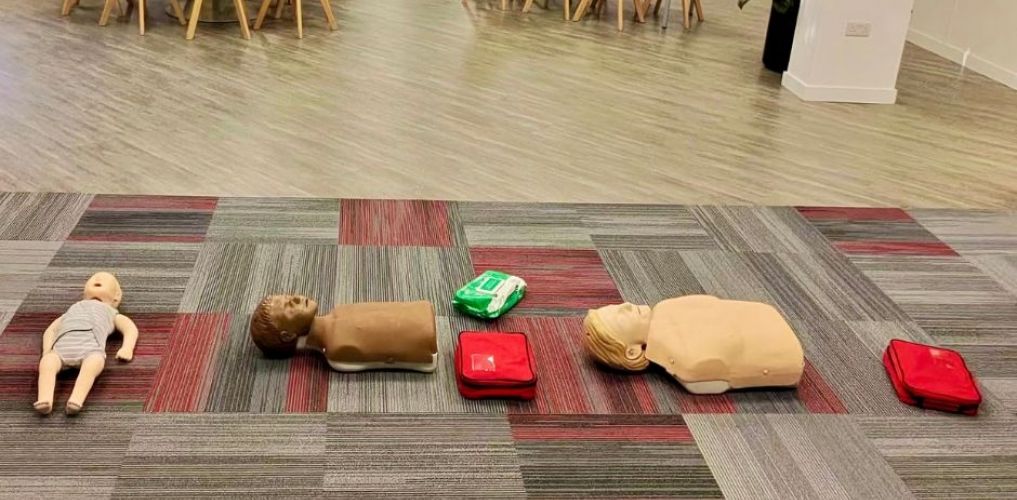
Yes, first aid courses are assessed, but they are designed to help you pass, not to catch you out.
Assessments are practical, supportive, and focused on ensuring you can respond safely and confidently in an emergency. If you attend the course, take part, and follow the trainer’s guidance, you are extremely unlikely to fail.
Understanding first aid course assessments
Many learners feel nervous when they hear the word assessment. In reality, first aid assessments are very different from school style exams.
At Safe Haven Training, assessments are built into the learning process. You are guided, supported, and given plenty of opportunities to practise before being assessed.
The goal is simple: to make sure you can act safely and effectively if someone needs help. First aid training is about doing something that helps, not being perfect.
Can you fail a first aid course?
Technically, yes, but in practice, it’s rare. Our first aid course pass rate is 100%.
Most learners who attend the full course, engage with the training, and attempt the assessments will pass. Trainers and assessors are there to support you and help you succeed, not to fail you.
You may only struggle if you:
- Do not attend all required sessions
- Refuse to take part in practical activities
- Are unable to demonstrate safe first aid techniques, even with guidance
If you find something difficult, your trainer will work with you to improve your confidence and technique.
How are first aid courses assessed?
First aid courses are assessed in two main ways:
1. Practical assessments
You’ll be asked to demonstrate key first aid skills, such as:
- CPR Using an AED
- Managing an unconscious casualty
- Dealing with bleeding or shock
- These are carried out throughout the day, not all at once.
Trainers will explain exactly what is expected and guide you step by step.
2. Knowledge assessment
Most courses include a short multiple choice questionnaire to confirm your understanding of first aid principles.
For Safe Haven open courses, learners are asked to bring a smartphone or tablet to complete the assessment. If there are any technical issues, a paper version can be provided.
What assessors are really looking for
Assessors are not expecting perfection.
They are looking for safe, logical actions that would help a casualty. Key things to remember:
- Safety first - check for danger
- Basic life support - airway, breathing, CPR if needed
- Keep it simple - first aid doesn’t need to be complicated
- Communication - reassure the casualty and call for help
If what you are doing helps the situation and does not make it worse, you are doing the right thing.
Tips to pass your first aid course
Attend the full course
Attendance is mandatory. Missing sessions can mean missing essential skills needed for assessment.
Get involved
Practising builds confidence. The more you take part, the easier assessments feel.
Ask questions
If you don’t understand something, ask. Chances are, others are wondering the same thing.
Follow your trainer’s guidance
Your trainer will clearly explain what’s required and give feedback during practice.
Stay calm
Assessments are relaxed and supportive. Take your time and focus on the basics.
Remember: doing something safe is always better than doing nothing.
What happens if you don’t pass the first time?
If a learner struggles with part of the assessment, trainers will explain what needs improvement and may allow reassessment, depending on the course and awarding body requirements.
The aim is always to support learning, not to send people away feeling discouraged.
Assessment, certification, and results
Once you successfully complete:
- All course content
- Practical assessments
- Knowledge assessment
You’ll receive a nationally recognised e-certificate within 5 working days, meeting the Health and Safety (First Aid) Regulations 1981 requirements.
Accessibility and additional support
Safe Haven Training is committed to fair and inclusive training.
We can support learners who:
- Have medical conditions
- Are pregnant
- Have disabilities or additional needs
Let us know in advance so we can make reasonable adjustments where possible.
Book your Emergency First Aid at Work or First Aid at Work course today and attend with confidence.